AI Agents vs. AI Copilots: When You Need Each
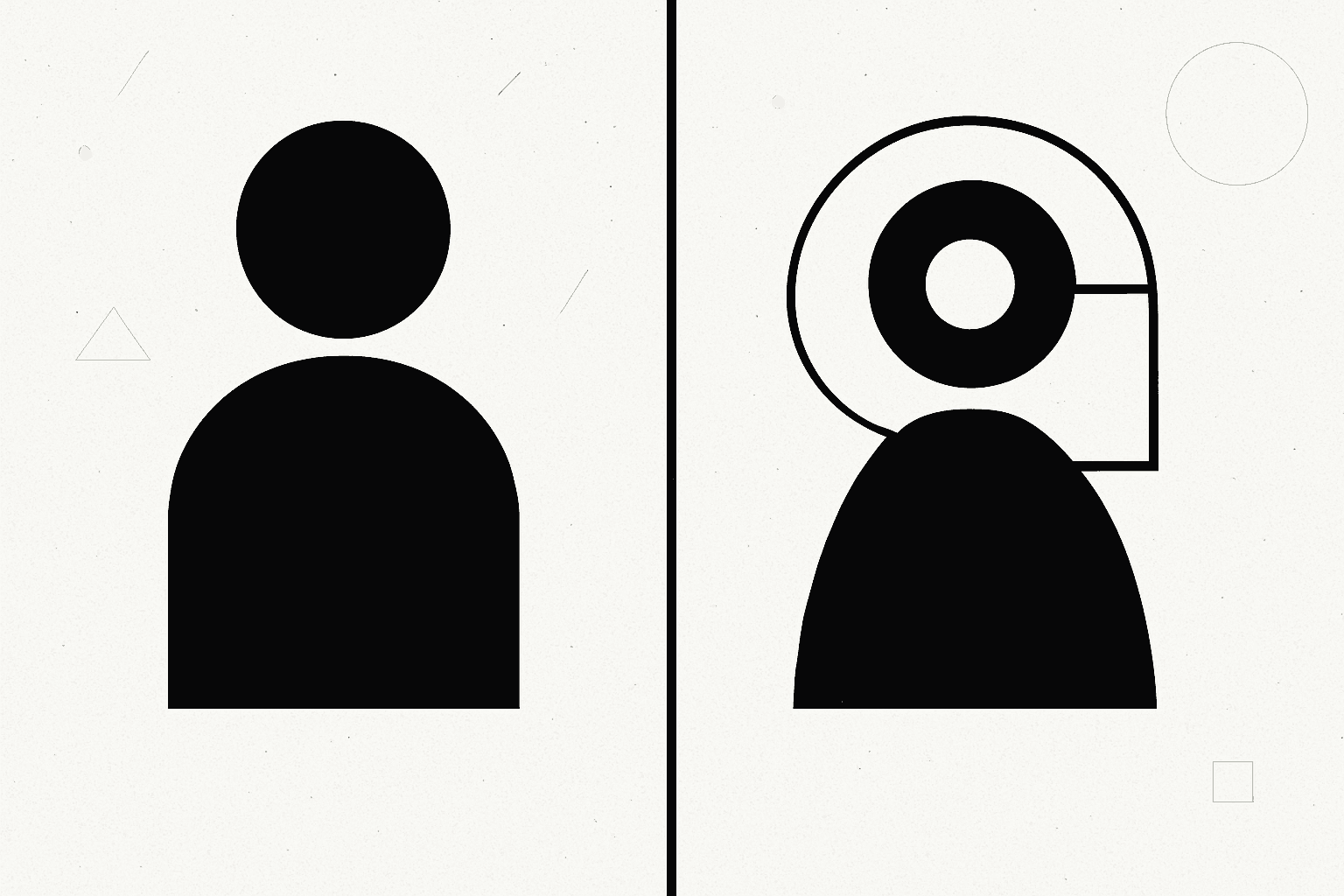
Artificial intelligence has become an integral part of numerous industries, but not all AI systems are created equal. Terms like 'AI agents' and 'AI copilots' frequently surface in discussions about AI, and while they might sound similar, they serve different purposes. Understanding these differences is crucial for businesses aiming to implement AI effectively.
What Are AI Agents?
AI agents are autonomous systems designed to perform tasks independently. They operate based on predefined algorithms and adapt through interaction with their environment. In essence, AI agents are decision-makers that can complete a given task with little to no human intervention. From customer service chatbots to complex operational workflows, AI agents are used to automate repetitive tasks, freeing up human resources for more strategic activities.
AI agents are ideal when the task at hand requires consistent outputs that can be meticulously defined and encoded into the system. They excel in environments where the rules are clear and the tasks are routine. This autonomy makes them perfect for applications like real-time data analysis, automated reporting, and inventory management.
What Are AI Copilots?
On the other hand, AI copilots function as supportive collaborators, augmenting human capabilities rather than replacing them. They are designed to assist users in decision-making processes, providing insights, suggestions, and sometimes even warnings to enhance the human operator's decision-making quality. Unlike AI agents, AI copilots rely on a more interactive and dynamic relationship with human users. Examples include intelligent coding assistants, customer service augmentation tools, and productivity software.
AI copilots are indispensable in scenarios where human expertise is critical, and the variability of the situation demands flexibility and intuition that only a human operator can provide. They act as a sounding board, a second opinion, or even an analytical partner, ensuring better judgments and decision-making.
Choosing Between AI Agents and AI Copilots
Choosing between an AI agent and an AI copilot boils down to the task characteristics and the desired collaboration level between human and machine. For tasks that are repetitive and well-defined, where minimal variability exists, AI agents offer efficiency and consistency. In contrast, AI copilots should be considered when human judgment is needed, offering real-time insights and recommendations to amplify human strengths.
For businesses, the decision isn’t simply about picking one over the other but understanding the right context for each technology to thrive. Integration of both AI agents and AI copilots into different elements of the workflow can lead to enhanced productivity and decision quality in various business processes.
If you're looking to implement AI solutions that align with your strategic goals, whether through AI agents or AI copilots, we can help. Get in touch to discuss your problem or goal here.