Retrieval-Augmented Generation Explained for Non-Engineers
Artificial Intelligence is reshaping how businesses operate, and one approach that's gaining traction is retrieval-augmented generation (RAG). Although this might sound technical, the concept is quite relevant and beneficial to understand for anyone looking to integrate AI more effectively into their operations.
What is Retrieval-Augmented Generation?
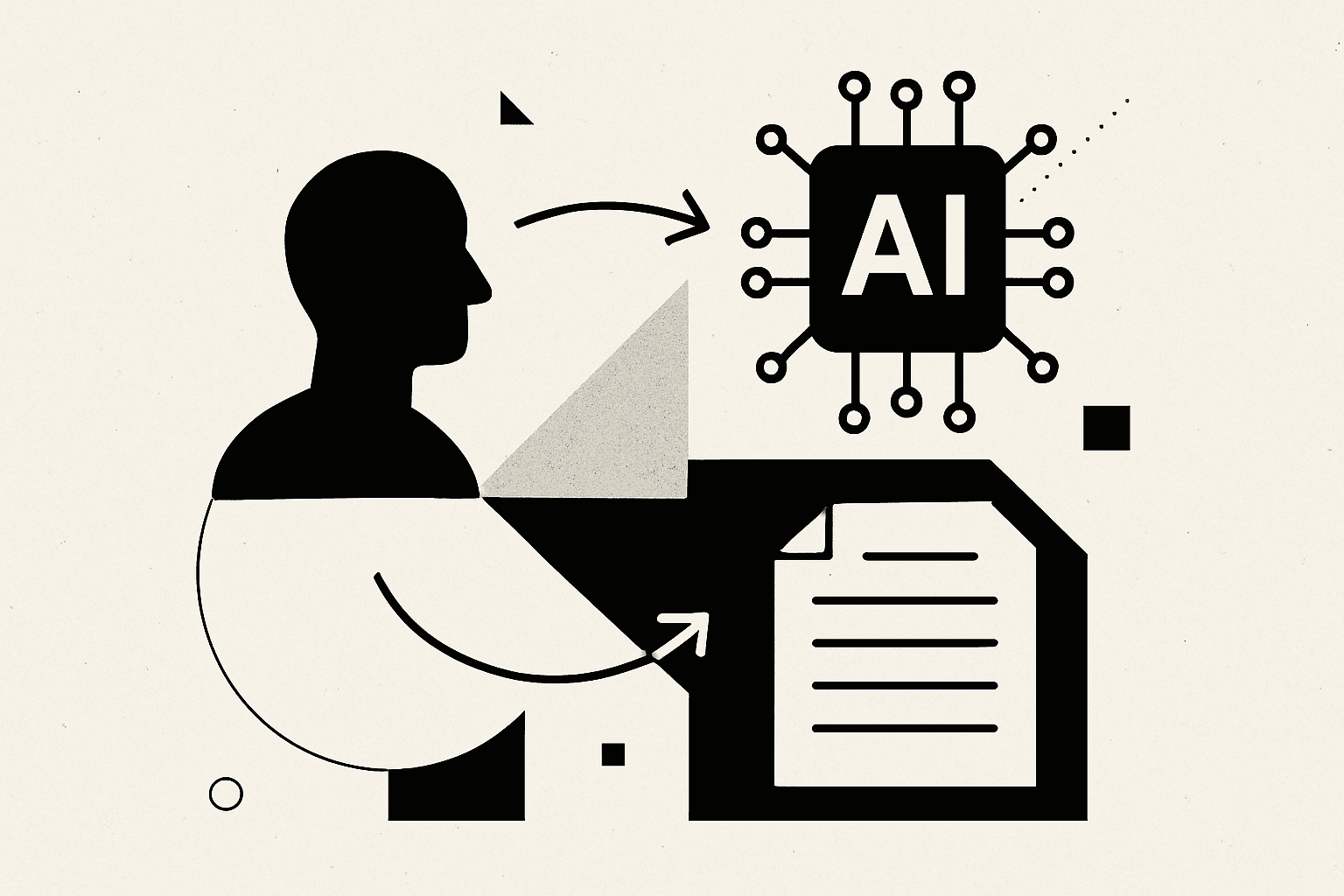
Retrieval-augmented generation combines two powerful components: retrieval and generation. Let's simplify these terms. Imagine you have a massive library, the retrieval part of RAG acts as your librarian, swiftly finding the necessary information you need for a specific task. The generation part is like a skilled writer crafting responses or creating documents using the information retrieved. Combining these two functions allows an AI system to provide more informed and accurate results.
In traditional AI models, relying solely on generation means that the system can sometimes hallucinate, or make up information, due to its limited knowledge base. RAG improves upon this by incorporating an extensive database or reference material during the information retrieval process. This enriched knowledge source significantly enhances the system's ability to generate responses that are both relevant and factual.
Why Use Retrieval-Augmented Generation?
For businesses, the primary benefit of employing RAG lies in its ability to offer precise and contextual information. Consider a customer service AI bot. Normally, such bots are limited by their pre-trained data. With RAG, however, the bot can retrieve specific details from a company's FAQ or policy documents before generating a response, making interactions more efficient and reliable.
Furthermore, this approach can be instrumental in industries where the accuracy of information is critical, such as healthcare, legal services, or finance. By having access to a constantly updated repository of specialized data, systems equipped with RAG can support professionals in making timely and informed decisions.
How We Implement RAG at AIoverflow
At AIoverflow, we've integrated retrieval-augmented generation into our products, like ScribeDesk for clinical documentation. By doing so, we've empowered healthcare professionals to access the most current medical guidelines and patient records on the fly, improving their decision-making and administrative tasks.
Our approach to building RAG systems is not only about enhancing performance but also about ensuring that the information provided is reliable. We continuously update our databases and refine our algorithms, keeping user needs at the center of our development processes.
In conclusion, understanding and implementing retrieval-augmented generation can transform how businesses harness AI. If you're looking to explore how RAG can optimize your operations, reach out to us.