Maintaining Accuracy in Knowledge Assistants as Information Evolves
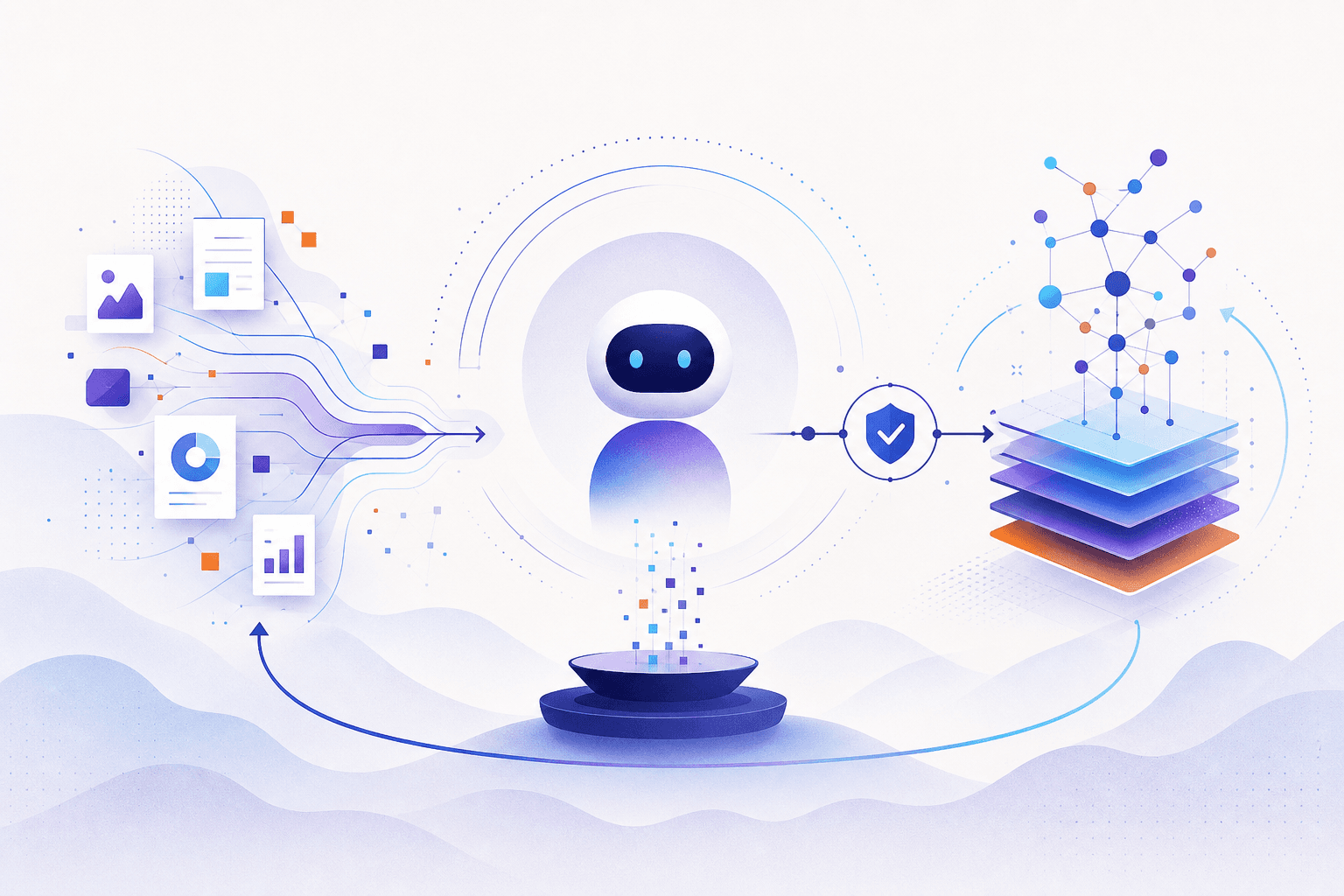
In today’s fast-paced digital world, keeping an internal knowledge assistant updated and accurate is a constant challenge, particularly as source materials evolve. We understand this firsthand, given our extensive experience in building and maintaining AI systems that rely on dynamic data.
Understanding the Need for Precision
When internal knowledge assistants digest and relay information, accuracy is non-negotiable. Professionals across industries depend on these systems for quick, reliable insights, making it crucial that the information they pull from is current and precise. Whether used in clinical settings with ScribeDesk or in pharmacy environments with Sell OS, the accuracy of these systems impacts decision-making processes and operational efficiency.
To meet these standards, our approach involves several layered strategies. We prioritize continually scanning and integrating the latest updates from reliable sources, ensuring the foundation of our AI models remains robust and relevant.
Dynamic Source Management
Our strategy begins with establishing a dynamic source management system. This involves creating a framework that allows easy integration and removal of informational sources, based on their reliability and relevance. Automated monitoring tools help track changes in source materials, triggering updates to the knowledge base as needed.
Ensuring our models reflect the latest knowledge requires more than just updating texts. Understanding contextual importance is key. We work with domain experts to identify shifts in core concepts and terminology specific to each industry we serve.
Regular Model Updating
Another critical component is the regular updating of AI models that power our knowledge assistants. We employ a cyclical review cycle, allowing our systems to continuously learn and adapt from new data inputs. This ongoing process ensures that even as foundational materials evolve, our models maintain high levels of accuracy and relevance in their responses.
Moreover, using techniques like retrieval-augmented generation, we allow our knowledge assistants to query up-to-date databases that support rapid adjustments and minimize the lag caused by information changes.
The Human Element
While automation plays a significant role, human oversight remains vital. Our team conducts periodic reviews of the knowledge assistant’s output, cross-referencing it with recent developments and updates. This hybrid approach of machine learning and human verification acts as a safeguard against outdated or erroneous information slipping through.
Integrating feedback loops from users themselves also provides invaluable insights that guide further refinement. By maintaining direct communication channels with our clients, we ensure the knowledge assistants we develop are continuously improved and tailored to their evolving needs.
In conclusion, keeping an internal knowledge assistant accurate as source material changes requires a multifaceted, proactive approach. From dynamic source management to regular updates and human validation, we apply a comprehensive strategy that keeps our AI solutions reliable and precise.
Need help keeping your internal knowledge systems up-to-date or planning a new AI project? Reach out to us for expert guidance tailored to your challenges and goals.